The Best Bible Study for Small Groups (That Won't Bore Everyone)
Tired of Bible studies that make everyone zone out by week 3? Here's what actually works for small groups ... from a mom who's tested way too many.
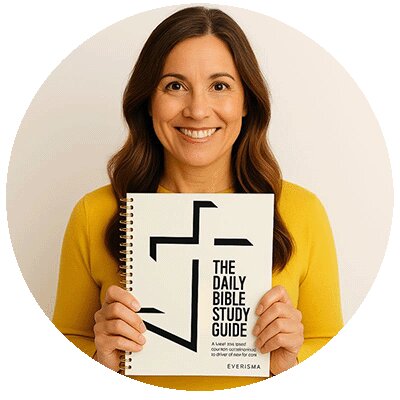
Written by Kristen
Coffee-loving mom of 2 · Bible study enthusiast · Founder of Bible Momma

Why Most Small Group Bible Studies Fall Flat
I’m going to be honest with you. I’ve been in Bible study groups where, by week three, half the group has mysteriously developed “schedule conflicts.” And I’ve been in groups where people fight to NOT miss a week because it’s genuinely the highlight of their Thursday.
The difference? It’s almost never the people. It’s the study material.
Bad Bible study material for groups has a very specific vibe. You know it when you feel it. The questions are either so surface-level they could be answered by a five-year-old (“Was God’s creation good?” Uh, yes?) or so deeply theological that everyone just stares at each other in uncomfortable silence while someone’s ice melts in their coffee.
I’ve been on a mission to find the sweet spot … a Bible study that sparks real conversation without requiring a PhD or putting everyone to sleep. And after cycling through more options than I want to admit, I have thoughts.
What Makes a Bible Study Actually Work for Groups
Before I get into specifics, let me tell you what I’ve learned makes the difference between a study that sticks and one that fizzles out:
It Has to Spark Conversation
The whole point of studying in a group is the discussion. If the material just has people reading silently and answering fill-in-the-blank questions, you might as well study alone. The best group studies include open-ended questions that don’t have one “right” answer … the kind where someone shares something and you go, “Oh wow, I never thought about it that way.”
It Needs to Be Flexible
Not everyone in your group is at the same place spiritually. Some people grew up in church. Some just started reading the Bible last month. Good group material meets everyone where they are without making anyone feel dumb or bored.

The Weekly Commitment Can’t Be Insane
If the study requires two hours of homework before each meeting, you’re going to lose people. Real talk … we’re all busy. Some of us are barely keeping the laundry situation under control. The daily reading or prep needs to be doable in 15-20 minutes, max.
It Should Connect to Real Life
Nobody wants to spend an hour discussing ancient Near Eastern pottery customs (sorry, archaeology fans). The study needs to bridge from “what did this mean then” to “what does this mean for me right now, today, while I’m trying not to lose it at my kids.”
The Types of Small Group Bible Studies (And Who They’re Best For)
Here’s a breakdown of what’s out there, because not every format works for every group:
Book-of-the-Bible Studies
You pick a book of the Bible and go through it chapter by chapter. This is great for groups that want depth and don’t mind a longer commitment. Going through something like James or Philippians works really well because they’re short enough to finish in 8-12 weeks but rich enough to fuel genuine conversation.
Best for: Groups that want to go deep, have at least a few members with some Bible background.
Topical Studies
These center around a theme … like anxiety, prayer, identity, or forgiveness … and pull verses from throughout the Bible. They’re great for mixed-experience groups because everyone can relate to the topic, regardless of how much Bible they know.
Best for: Newer groups, groups with mixed experience levels, or groups that want something immediately applicable.

Video-Based Studies
A lot of popular studies come with video teaching segments. You watch a 15-20 minute video together, then discuss. These can be great because they take the pressure off anyone in the group to “teach,” but they can also feel a little passive if the video isn’t engaging.
Best for: Groups where nobody wants to lead the teaching portion, or groups that enjoy learning from a specific teacher.
Guide-Based Studies
This is what our group uses, and honestly, it’s been the game-changer. A structured guide that gives everyone daily readings and reflection prompts throughout the week, and then group discussion flows naturally from what everyone read. Nobody has to prepare a lesson. Nobody has to be the expert.
Best for: Groups that want structure without rigidity, busy women who need flexibility.
What We Use (And Why It Works)
Our group has been using the Everisma guide for a while now, and it’s the longest any of us have stuck with a single study. Here’s why:
The daily readings are short. Like, actually short. Fifteen minutes with my coffee in the morning and I’m done for the day. Nobody shows up to group unprepared because the prep is so manageable.
The discussion happens naturally. Because everyone’s been reading the same passages throughout the week, we all come in with thoughts. Nobody has to manufacture conversation … it just flows from what we’ve been sitting with individually.
It works for different levels. We have one woman in our group who grew up memorizing Scripture, and another who didn’t own a Bible until six months ago. They both get something out of it. That’s rare.
Nobody has to play teacher. The guide provides enough structure that we just take turns reading the discussion questions and go from there. It’s collaborative, not top-down.
How to Pick the Right Study for YOUR Group
Every group is different. Here’s a quick way to figure out what’ll work for yours:
If your group is brand new: Start with something topical and short. A 4-6 week study on a relatable topic gives people a chance to try it out without a huge commitment.
If your group has been meeting a while: Try going through a book of the Bible. You’ve built the trust needed for deeper conversations, and a book study rewards that depth.
If attendance is inconsistent: Use a guide-based format where each week can stand alone. If someone misses a week, they shouldn’t feel like they can’t come back.
If you have a mix of introverts and extroverts: Make sure the study material includes both discussion questions AND personal reflection options. Some people process out loud; others need to write it down first.

Common Mistakes That Kill Small Group Studies
I’ve made most of these, so learn from my pain:
Making it too long. If your group meeting regularly goes past 90 minutes, people will start finding excuses not to come. Keep it tight. An hour is the sweet spot.
Letting one person dominate. Every group has a talker. Love her, but also gently redirect so everyone gets space. A good study guide helps with this because the questions naturally move the conversation around.
Starting with something too heavy. Don’t kick off a brand-new group with Revelation. Just don’t. Start with something accessible and build from there.
Not having snacks. I’m serious. Snacks lower everyone’s defenses. Something about holding a cookie makes it easier to talk about hard things. This is scientifically unproven but personally verified.
The Secret to a Group That Lasts
The groups that last aren’t the ones with the best material (though that helps). They’re the ones where people feel safe. Where you can say “I’m struggling” without getting a lecture. Where you can say “I don’t understand this” without getting a look. Where someone texts the group chat on a random Tuesday because they need prayer and they know … they actually know … that someone will respond.
The study material gets you in the door. The relationships keep you coming back. Pick a study that facilitates both, and you’ve got something that’ll last.

Frequently Asked Questions
How many people should be in a small group Bible study?
The sweet spot is 4-8 people. Fewer than 4 and it can feel too intense (plus if one person is out, you barely have a group). More than 8 and it gets hard for everyone to participate in discussions. Our group has 6 and it feels just right ... enough variety of perspectives, small enough that everyone talks.
How often should a small group meet?
Weekly works best for building momentum and relationships. Every other week sounds good in theory but makes it hard to build consistency. If weekly feels like too much, start with a short-term commitment ... "Let's try meeting every Thursday for 6 weeks and see how it goes." That feels less scary than "forever."
What do you do when nobody's done the reading?
It happens. More often than anyone wants to admit. When it does, just read the passage together out loud and discuss it in real time. No guilt, no shame. The point is showing up, not performing. Some of our best conversations have happened on weeks where none of us were "prepared."
Can you do a small group Bible study online?
Absolutely. We did ours on Zoom for three months during cold and flu season and it honestly worked great. The key is keeping the group small enough that everyone can be on camera and participate. Turn off the self-view if you don't want to stare at your own face the whole time ... trust me on that one.
Ready to Find a Bible Study That Actually Works?
This is the guide that finally helped me stay consistent, and I think it can help you too.
See the Bible Study Guide I Use →Hi, I'm Kristen!
I'm a coffee-loving mom of two from who finally found a Bible study system that actually sticks. After trying (and abandoning) more study guides than I can count, I built Bible Momma to help other moms stop feeling guilty and start growing closer to God... messy schedules, short attention spans, and all.
Read my full story →