How to Get Back Into Bible Study After a Long Break
Took a break from Bible study and don't know where to start? Here's a grace-filled, no-shame guide to picking it back up ... from a mom who's been there more than once.
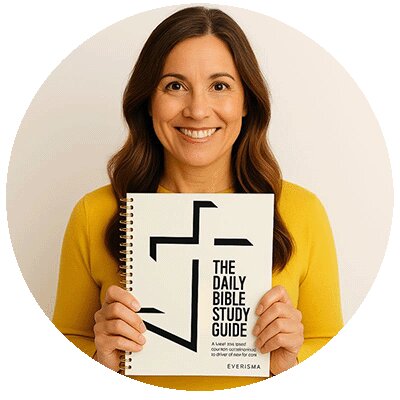
Written by Kristen
Coffee-loving mom of 2 · Bible study enthusiast · Founder of Bible Momma

You’re Not Starting From Zero
Let me just get this out of the way before we go any further: whatever you learned before your break? It didn’t disappear. Whatever connection you felt with God? It didn’t expire. However long you’ve been away? It doesn’t matter.
You’re not starting from scratch. You’re starting from experience.
I know that’s hard to believe when you’re staring at your Bible like it’s a stranger, feeling that weird mix of guilt, longing, and intimidation that comes with returning to something you’ve been away from for a while. I know because I’ve been exactly there. Multiple times.
My longest break was about two years. Two full years where my Bible sat on the shelf and I avoided eye contact with it like it was a person I owed money to. Every time I thought about picking it back up, the voice in my head said “you’ve been gone too long, it’s going to be weird, you don’t even remember where you left off, just forget it.”
So I did. Until I didn’t.
Why We Take Breaks (And Why It’s Okay)
People take breaks from Bible study for a million reasons, and most of them are completely understandable.
Life got overwhelming. A new baby, a move, a job change, a health crisis, a season where you were just surviving and Bible study was the first thing that fell off the plate. That’s not failure. That’s being human.
You had a faith crisis. Maybe something happened that made you question everything. Maybe church hurt you. Maybe you were angry at God. Those seasons are real and valid, and pretending they don’t happen helps no one.
Burnout. You went too hard, tried to keep up with an intense reading plan, and eventually your brain just said “nope.” Bible study started feeling like a chore and you needed space from it.
No particular reason. You just… stopped. One day turned into a week turned into a month turned into “I honestly don’t remember when I last opened this book.” This is the most common one, and it’s the one that tends to carry the most shame. But it shouldn’t. Life is distracting. It happens.

Whatever your reason, I’m not here to make you feel bad about it. I’m here to help you come back. Because the fact that you’re reading this article tells me something: part of you wants to. And that’s all you need.
Step 1: Drop the Guilt at the Door
I wrote a whole post about Bible study guilt because it’s such a massive barrier, but here’s the condensed version: guilt will not help you restart. It will only keep you stuck.
God is not standing at the door with a stopwatch and a disappointed expression. He’s the father in the prodigal son story … running toward you the second you turn around. He’s not counting the days you were away. He’s just glad you’re back.
So before you open your Bible, take a breath and let go of the shame. You don’t owe anyone an apology for being human.
Step 2: Don’t Try to Pick Up Where You Left Off
This is the mistake I made every single time I tried to come back. I’d think “well, I was in the middle of a study on Romans, so I should finish that.” And then I’d open to Romans chapter 9 and have absolutely no idea what was going on because I’d lost all the context from the first eight chapters.
Starting where you left off sounds logical, but it usually just makes you feel lost and discouraged. Instead, start fresh. Pick something new. Something short. Something that doesn’t require previous context.
My go-to restart books:
- Psalms … pure emotion, zero prerequisites. You can open to any chapter and find something that hits.
- The Gospel of John … the story of Jesus told in a way that’s accessible and beautiful.
- Proverbs … short, punchy wisdom you can read one chapter at a time. (Bonus: there are 31 chapters, one for each day of the month.)
- James … only five chapters, super practical, reads like advice from a wise friend.

Step 3: Start Insultingly Small
I know you want to dive in. I know you’re feeling motivated right now and you want to read three chapters and journal and pray for twenty minutes. I love that energy. I also know from experience that it’s going to burn out in about four days.
Instead, start so small it almost feels pointless.
Read one chapter. Or one Psalm. Or literally five verses. Set a timer for five minutes and stop when it goes off. Not because you can’t do more, but because you’re playing the long game here. You’re building a habit, not making up for lost time.
I came back from my two-year break by reading one Proverb a day. One chapter. Three minutes. That’s it. It felt ridiculous. But I did it every day for a month, and somewhere in that month, something shifted. It stopped being a thing I was forcing myself to do and became a thing I looked forward to.
Small is not weak. Small is smart.
Step 4: Create a Trigger
Coming back after a break means you don’t have the habit autopilot working for you yet. You need an external reminder until the behavior becomes automatic.
Here’s what worked for me: I put my Bible on top of the coffee maker. Not next to it … on top of it. So I literally could not make coffee without moving my Bible first. And once it was in my hands, I figured I might as well open it.

Other trigger ideas:
- Set a phone alarm with a label like “read one verse”
- Put a Bible app on your phone’s home screen where Instagram used to be
- Leave your Bible open on the kitchen table so it’s staring at you during breakfast
- Ask a friend to text you a verse each morning
The point is creating a cue that interrupts your autopilot and reminds you to show up. After a few weeks, you won’t need it anymore. The habit will carry itself.
Step 5: Give Yourself a Guide (Not a Guilt Trip)
When you’re coming back after a break, decision fatigue is your worst enemy. Opening your Bible and thinking “where do I even start?” is a guaranteed way to close it again within thirty seconds.
This is where having a structured guide makes a massive difference. Not a rigid, dated plan that makes you feel behind if you miss a day … but a simple roadmap that says “read this, think about this, move on.”
The guide I use was actually what pulled me out of my longest break. It doesn’t have dates, so there’s no “behind.” It works with whatever Bible I already own. And each session is short enough that I can do it during nap time or while waiting for the pasta water to boil.
Having someone else figure out the “what to read” part freed up my brain to actually focus on the reading itself. It took the mental load out of Bible study, and as a mom, I have zero mental load to spare.
Step 6: Expect It to Feel Weird at First
Nobody tells you this, but coming back to Bible study after a long break feels… awkward. Like calling a friend you haven’t talked to in years. You want to reconnect, but there’s this weird distance.
You might sit there reading and feel nothing. You might not remember how to “do” Bible study. You might wonder if you’re doing it wrong.
All of that is normal. Push through it.
The awkwardness fades. The connection comes back. It might take a week or a month, but it comes back. Just keep showing up.
I remember the exact moment it clicked for me again. I was reading Psalm 34 … “I sought the Lord, and he answered me; he delivered me from all my fears.” And I just sat there at my kitchen counter, coffee getting cold (as usual), and cried. Not dramatic tears. Just quiet ones. The kind that come when you realize you missed something more than you thought you did.
That moment didn’t happen on day one. It happened on day nineteen. If I’d quit on day three because it felt weird, I would have missed it.
Step 7: Tell Someone
Accountability doesn’t have to mean joining a group or having weekly check-ins. It can be as simple as texting a friend: “Hey, I’m getting back into Bible study. Just wanted to tell someone so it feels real.”
That’s it. You don’t need a study partner or an accountability system. You just need one person who knows, so that it’s not just a private intention that’s easy to quietly abandon.
When I came back, I told my friend Rachel. She didn’t ask me about it every day or check up on me. She just said “that’s awesome, I’m proud of you.” And somehow that was enough to make it feel real.

You’re Already Doing the Hard Part
Here’s what I want you to know: the hardest part of getting back into Bible study isn’t the reading. It’s the decision to come back. And you’ve already made that decision. You’re here. You’re reading this article. That means the hardest part is behind you.
Now all you have to do is open the Book. Just one page. Just one verse. Just one tiny step back toward something that matters to you.
No fanfare. No perfect conditions. No waiting until Monday or the first of the month or some future version of yourself who has it more together. Just today. Just now. Just you and whatever Bible you can get your hands on.
Welcome back. It’s good to have you here.
Frequently Asked Questions
How do I get back into Bible study when I don't feel God's presence?
Start anyway. Feelings are not a prerequisite for showing up. Sometimes you have to show up consistently before the feelings follow. Think of it like exercise ... you don't always feel like working out, but you usually feel better afterward. The same is often true with Bible study. Presence and connection tend to rebuild through repetition, not through waiting for a feeling.
What if I'm coming back after leaving the faith entirely?
That's okay. You don't need to have all your theological questions answered before you open the Bible again. Come with whatever you have ... doubt, curiosity, anger, hope, all of it. God can handle your questions. Start with something simple like the Gospel of John or the Psalms, and let yourself read without pressure to believe or feel anything specific.
Is it better to restart with a group or on my own?
There's no wrong answer. If community energizes you and you have a group available, go for it. But if the idea of joining a group feels like too much pressure right now, solo study is completely valid. Many people find it easier to restart on their own and join a group later once the habit is reestablished. Do whatever lowers the barrier to actually starting.
How do I stop feeling embarrassed about how long I've been away?
By remembering that literally everyone has gaps. Every person in your church, every Bible study leader, every pastor ... they've all had seasons where they fell off. You're not the exception. You're the rule. And the people worth being around won't judge you for coming back. They'll just be glad you did.
Ready to Find a Bible Study That Actually Works?
This is the guide that finally helped me stay consistent, and I think it can help you too.
See the Bible Study Guide I Use →Hi, I'm Kristen!
I'm a coffee-loving mom of two from who finally found a Bible study system that actually sticks. After trying (and abandoning) more study guides than I can count, I built Bible Momma to help other moms stop feeling guilty and start growing closer to God... messy schedules, short attention spans, and all.
Read my full story →